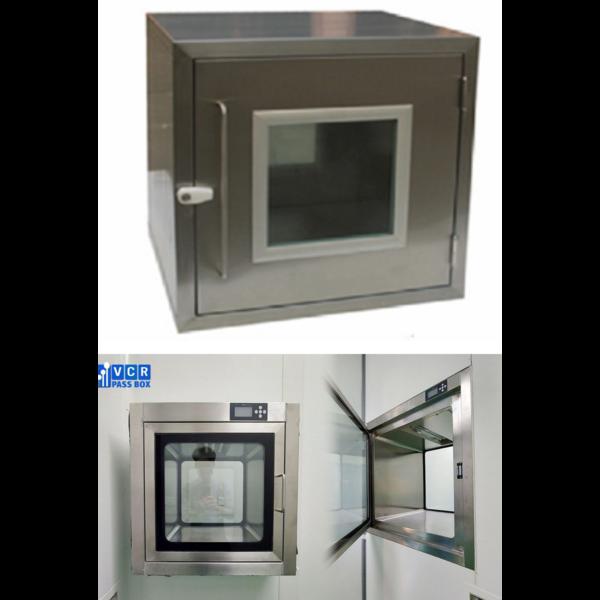
Industrial HVAC Systems are specialized Heating, Ventilation, and Air Conditioning systems designed for industrial facilities such as factories, power plants, warehouses, chemical plants, and manufacturing units. Unlike standard commercial HVAC, these systems focus not only on comfort but also on process control, safety, and environmental regulation in Sambhaji Nagar , Goa, Indore, Mumbai Ahmadabad
1. Purpose of Industrial HVAC
Industrial HVAC systems are designed to:
🏭 Maintain proper temperature for industrial processes
💨 Control ventilation and airflow in large facilities
🧪 Remove toxic fumes, dust, and chemicals
💧 Control humidity levels for production processes
🔥 Ensure worker safety and equipment protection
For example, in pharmaceutical manufacturing, HVAC systems control temperature, humidity, and air cleanliness very precisely.
2. Key Components of Industrial HVAC
1. Air Handling Units (AHU)
AHUs condition and circulate air throughout the facility.
Functions:
Air filtration
Heating or cooling
Humidity control
Air distribution
2. Industrial Chillers
Chillers remove heat from processes or buildings.
Types:
Air-cooled chillers
Water-cooled chillers
Absorption chillers
Used in industries like plastics, food processing, and power plants.
3. Cooling Towers
Cooling towers release heat from chilled water systems by evaporative cooling.
Used in large industrial cooling systems to improve efficiency.
4. Industrial Ventilation Systems
Ventilation systems remove hazardous air contaminants.
Examples:
Exhaust fans
Dust collection systems
Fume extraction systems
Local exhaust ventilation (LEV)
5. Industrial Ductwork
Large-scale ducts distribute conditioned air or remove contaminated air.
They are designed for high airflow capacity and durability.
6. Control Systems
Industrial HVAC often uses advanced automation:
PLC control systems
SCADA monitoring
Building Management Systems (BMS)
These help maintain precise environmental conditions.
3. Types of Industrial HVAC Systems
Process Cooling Systems
Used in industries where machinery generates large heat loads.
Examples:
Injection molding
Metal processing
Chemical manufacturing
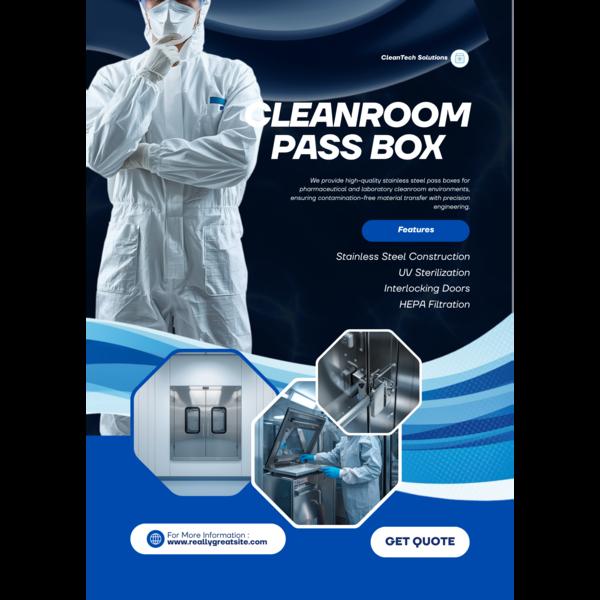
Cleanroom HVAC
Used in industries requiring ultra-clean environments:
Semiconductor manufacturing
Pharmaceuticals
Biotechnology
Includes HEPA filtration and pressure control.
Industrial Ventilation Systems
Designed to remove pollutants like:
Dust
Chemical vapors
Smoke
Toxic gases
Common in mines, foundries, and chemical plants.
Evaporative Cooling Systems
Used in large factories and warehouses.
Advantages:
Low energy consumption
Suitable for hot climates
4. Applications of Industrial HVAC
Industrial HVAC is used in:
Manufacturing plants
Power generation plants
Oil & gas facilities
Pharmaceutical factories
Food processing plants
Automotive manufacturing
5. Differences Between Commercial and Industrial HVAC
Feature Commercial HVAC Industrial HVAC
Main Purpose Comfort Process control
Building Type Offices, malls Factories, plants
System Complexity Moderate Very high
Air Quality Control Basic filtration Advanced filtration
Ventilation Standard Hazardous gas removal
6. Importance of Industrial HVAC
✔ Maintains safe working conditions
✔ Protects sensitive machinery
✔ Ensures product quality
✔ Complies with environmental regulations
✔ Improves productivity
💡 Example: In a steel plant, industrial HVAC systems remove heat, smoke, and metal dust while maintaining safe temperatures for workers and equipment
Mumbai
08048047627
+919702303637
 Chat with us
 Chat with us